
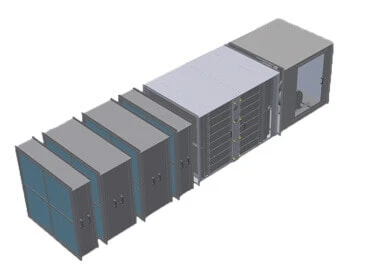
A Kitchen Ecology Unit is a vital system designed to treat and manage kitchen exhaust air by effectively removing grease, smoke, odors, and airborne pollutants before discharge. Commonly used in commercial kitchens, hotels, and food courts, this unit improves indoor air quality while ensuring compliance with environmental and fire safety regulations. Advanced solutions from trusted brands such as JAF, Trosten, and AQT combine filtration, electrostatic, and UV or carbon-based technologies to deliver efficient, low-noise performance. A well-designed Kitchen Ecology Unit not only controls emissions but also enhances kitchen hygiene and staff comfort.
At Maven Trading, we provide reliable Kitchen Ecology Unit solutions tailored to project needs across the UAE. Our offerings focus on energy efficiency, ease of maintenance, and long-term operational reliability, making them suitable for both new installations and retrofit projects. By partnering with globally recognized brands, Maven Trading ensures compliance with local regulations, timely delivery, and expert technical support—helping commercial kitchens operate cleaner, safer, and more sustainably.

Vapour refers to the gaseous phase of a substance at a temperature below its critical temperature, where the substance can also exist in liquid or solid form. For example, water has a critical temperature of 374 °C (647 K), which is the highest temperature at which liquid water can exist. Above this temperature, water cannot remain in the liquid state regardless of pressure.
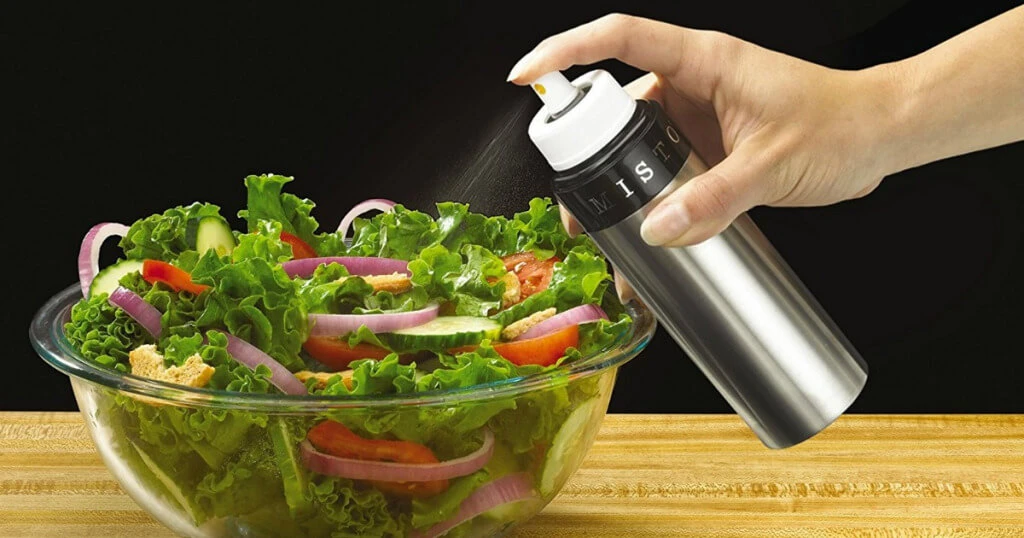
An aerosol is a mixture in which fine solid particles or liquid droplets are suspended in air or another gas. These particles typically have diameters smaller than 1 micrometer (µm). Larger particles, which settle more quickly due to gravity, are generally classified as suspensions. However, the distinction between an aerosol and a suspension is not always sharply defined.
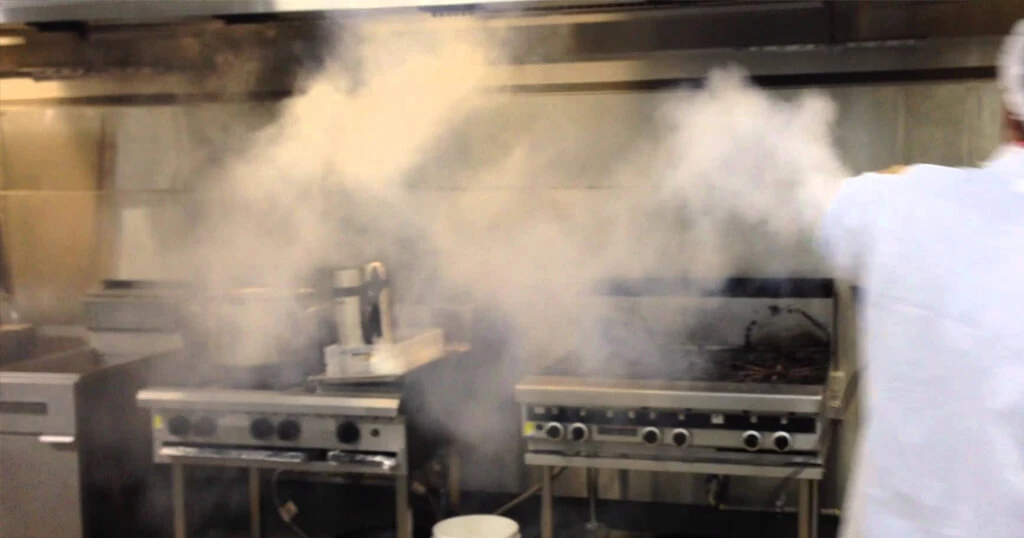
Smoke is a mixture of airborne solid particles, liquid droplets, and gases produced during combustion. It is essentially an aerosol composed of fine solid particles and liquid droplets that fall within the size range capable of scattering visible light. The human eye can generally detect particles larger than approximately 7 µm (micrometres). The visible particles released during burning are commonly referred to as smoke, while smaller, invisible emissions are typically classified as gases or fumes.

A gas or vapour is a substance in its gaseous state that may have a strong odour or may be hazardous when inhaled. It can also refer to a material that has transitioned from a solid or liquid state into a gaseous form and subsequently re-condensed into solid particles.
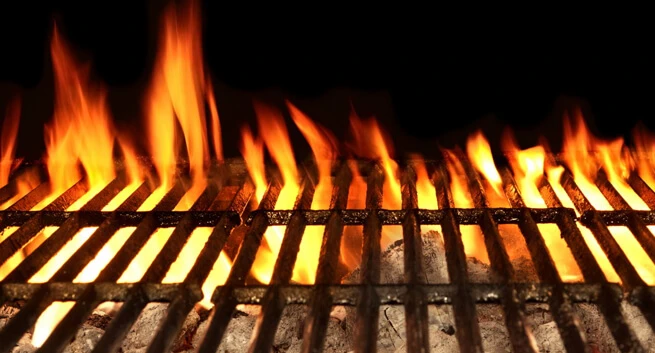
Dust consists of fine solid particles (granular pollutants) generated from various sources, including exhaust emissions and industrial processes. These particulate matters become suspended in the air and may eventually settle on walls, surfaces, or other surrounding areas.

An odour is produced by one or more volatile chemical compounds released into the air, typically at very low concentrations. Unpleasant odours often serve as natural warning signals, indicating potential danger or the presence of harmful substances, even if the individual detecting the smell is not consciously aware of the risk.
Commercial Kitchen
Commercial kitchen ventilation systems are designed to manage exhaust generated during active cooking operations through hoods and ductwork. Typically, commercial kitchens are equipped with hoods, ducts, and ventilation fans that effectively remove oil, grease, smoke, and steam-laden fumes.
However, odor control—particularly for gaseous pollutants—is often not fully addressed in standard hood designs. To enhance air quality and minimize odor emissions, a Kitchen Exhaust Purification Unit can be installed within the ductwork, positioned between the kitchen hood and the ventilation fan.
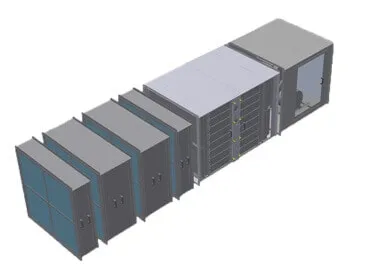
This system incorporates multiple filtration stages, including gas-phase filters, to efficiently remove odors and airborne contaminants, ensuring cleaner exhaust air and improved environmental compliance.
Office Building
In office buildings, kitchen odors from nearby active commercial kitchens can sometimes enter the fresh air intake of air handling units. This typically occurs when exhaust air from neighboring kitchens is drawn into the building’s ventilation system.
In such cases, the primary concern is gaseous odor pollutants rather than grease or particulate matter. The issue can be effectively addressed by installing appropriate gas-phase or odor removal filters within the affected air handling units. This ensures that incoming air is properly treated, maintaining a clean and comfortable indoor environment.
Air Purification Equipment
Ideal solution for exhaust ventilation in commercial and institutional kitchens
Incorporates highly effective particulate and gas-phase filtration for proven performance
Designed for long-term stability with minimal maintenance and replacement requirements
Modular filtration stages engineered to achieve targeted removal efficiency and optimal performance
Ecologically designed for substantial energy savings and sustainable operation
Modular and ergonomically engineered to accommodate a wide range of specific application requirements
Benefits
Effectively removes grease, oil, and smoke from kitchen exhaust air
Significantly reduces odors in exhaust emissions
Helps maintain cleaner exhaust ducting and ventilation fans
Minimizes fire hazards associated with grease accumulation
Optional recovery and reuse of 25% to 50% of exhaust air in air-conditioned kitchens, supporting energy savings and sustainability
Grease & Particulate Pre-Filters
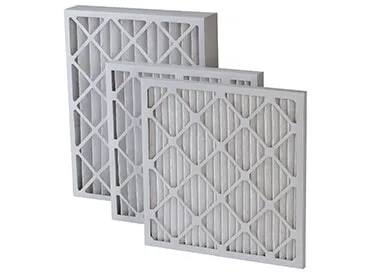
JAF Grease Filters, constructed from corrosion-resistant aluminum, are designed to effectively remove excessive grease and oil generated during cooking operations.
As an optional first or second-stage filtration, JAF DeaKleen or JAF DeaMat filters can be installed to capture particulate matter ranging from 10 to 2.5 microns, enhancing overall air purification performance.
Electrostatic Precipitators
JAF Electrostatic Precipitators (ESP) are designed to effectively remove fine airborne particles such as dust, smoke, mist, and fumes by applying an electrostatic charge. This advanced technology ensures high particle removal efficiency while maintaining minimal resistance to airflow through the unit.
The systems are self-contained and equipped with integrated control mechanisms to deliver consistent and reliable performance. They are capable of capturing extremely fine particles down to 0.01 μm, ensuring superior air purification efficiency.
High Efficiency Particulate Filters
Available models include:
JAF MIRADEEP BORSA FG
JAF MIRADEEP BORSA
JAF MIRACEL V
JAF MIRACEL I / II
JAF LUNACEL
Any of the above models, or other suitable JAF filter options, will be selected and offered based on the specific type of kitchen and its operational requirements.
Gas Phase / Odor Removal Filters
Available models include:
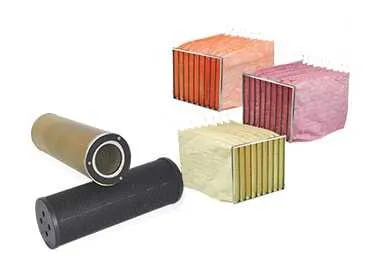
JAF MIRASORB HC
JAF Canister Modules
JAF Cassette Modules
JAF TERRAGRID (Honeycomb) Modules
Any of the above models, or other suitable JAF gas-phase filter options, will be selected and offered based on the specific kitchen type and its operational requirements.
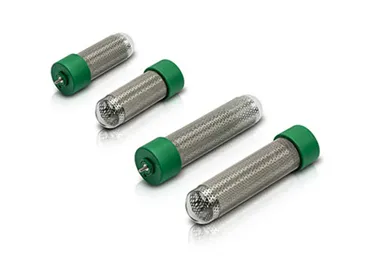
The JAF gas-phase filter modules integrated within the KEU play a vital role in eliminating odorous pollutants through advanced adsorption, absorption, and chemisorption processes, ensuring effective and reliable odor control.